
September 29, 2026
NFPA 96 & Restaurant Hood Cleaning Regulations in the USA
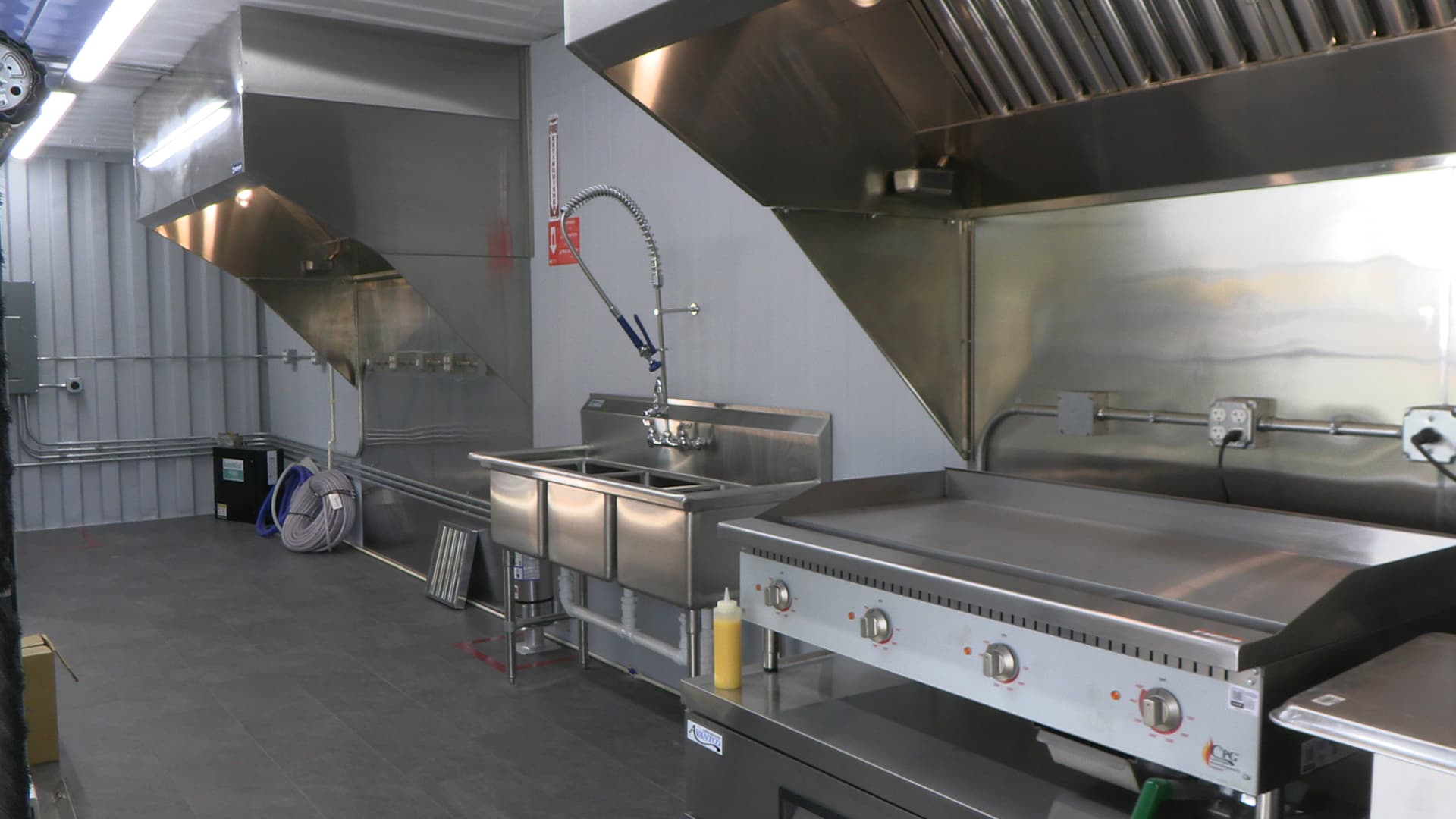
In the United States, kitchen exhaust cleaning is governed mainly by NFPA 96 — the National Fire Protection Association's Standard for Ventilation Control and Fire Protection of Commercial Cooking Operations. Most states and cities adopt it through their fire code (often via the International Fire Code), and local fire marshals enforce it. Local rules can be stricter, so always confirm with your jurisdiction.
How often hoods must be cleaned
NFPA 96 ties cleaning frequency to how much grease your kitchen produces:
- Monthly — systems serving solid-fuel cooking, such as wood- or charcoal-burning ovens.
- Quarterly — high-volume operations like 24-hour restaurants, charbroiling or wok cooking.
- Semi-annually — moderate-volume operations.
- Annually — low-volume cooking, such as churches, day camps or seasonal businesses.
What gets cleaned
The entire exhaust system: hoods, grease filters, ductwork, exhaust fans and any other grease-laden surfaces. The system must be inspected for grease buildup and cleaned to bare metal when buildup is found. Cleaning should be done by properly trained, qualified and certified people.
What inspectors look for
A certificate or service label showing the date of the last cleaning and who did it, a service report noting any areas that couldn't be reached, working fire suppression systems (typically inspected every six months), and filters that are in place and in good condition. Missing or outdated records are one of the most common findings.
Insurance and liability
Insurance carriers routinely ask for cleaning documentation, and a claim after a grease fire can be denied if the system wasn't maintained to code. Landlords and franchisors often require it too.
How Hood I.Q. keeps you compliant
Hood I.Q. is designed to make compliance the default. The automated system cleans the hood daily to keep grease from building up, IKECA-certified technicians handle the scheduled service NFPA 96 requires, and every job is documented with photos and records available with a QR scan — so you're always ready for your next inspection.